
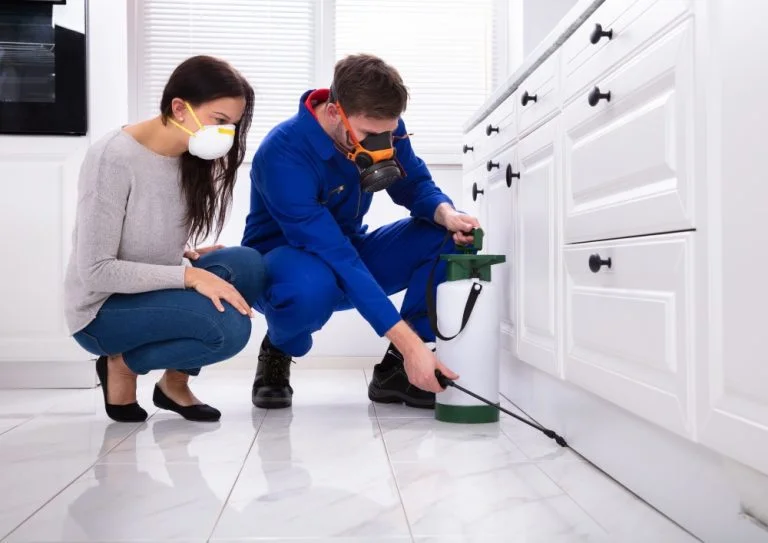

A pest-free home usually isn’t achieved with a single “one-and-done” spray. Most infestations are the result of small conditions—crumbs in hidden corners, moisture under sinks, gaps around doors, or clutter that gives pests shelter. The most reliable approach combines prevention, targeted treatment, and follow-up monitoring, using products that match the specific pest and the environment where it’s showing up.
One practical starting point is choosing the right Pest Control Products based on the pest’s behaviour and the level of activity in the home. The goal isn’t to use “stronger” chemicals—it’s to use more innovative tools that work with how the pest moves, feeds, and nests.
Step 1: Identify The Pest Before Buying Anything
Different pests require different solutions. Ants respond well to slow-acting baits carried back to the colony. Roaches often need a combination of gel baits, sticky monitors, and crack-and-crevice treatments. Mosquito control focuses more on eliminating standing water and using outdoor repellents or larvicides where appropriate. Buying products without a clear identification often leads to wasted effort and repeated flare-ups.
Step 2: Match The Product Type To The Problem Area
Effective home pest control is usually a mix of these categories:
- Baits and gels: Best for ants and roaches because they target nests rather than just visible insects.
- Traps and monitors: useful for rodents and crawling insects, as well as for early detection. Monitors also help confirm whether a treatment is working.
- Residual sprays and dusts: Helpful for baseboards, entry points, and cracks where pests travel. Dusts are often helpful in wall voids or dry, undisturbed spaces.
- Insect growth regulators (IGRs): Support long-term control by disrupting breeding cycles in certain insects.
- Exclusion supplies: Door sweeps, sealants, and mesh screens address the “how did they get in?” question.
Step 3: Look For Safety And Compliance Details
For indoor use, product labels matter as much as the ingredient list. Homeowners should check application instructions, re-entry times, and whether a product is intended for kitchens, bedrooms, or pet areas. It’s also wise to prioritise products that provide clear guidance on storage, disposal, and where not to apply—especially around food prep surfaces and ventilation.
Step 4: Use An Integrated Plan, Not Random Treatments
Even the right product won’t solve an issue if the conditions remain. A simple integrated routine includes:
- Removing food sources (sealed containers, nightly wipe-downs)
- Reducing moisture (fix leaks, dry wet mats, ventilate bathrooms)
- Sealing entry points (gaps, utility penetrations, window frames)
- Placing monitors to track activity patterns
Step 5: Buy From A Reputable Source And Restock Intentionally
Consistency is what makes home pest control successful: replacing baits, checking traps, and repeating targeted applications when the label recommends it. Many homeowners prefer ordering from a dedicated pest control store so they can find pest-specific tools in one place and build a repeatable routine rather than improvising with whatever is available locally. For example, Pest Control Worldwide is a site people often use to compare product categories and select items by pest type.
When pests persist despite proper product use and prevention measures, that’s often when a professional inspection is worthwhile—especially for termites, bed bugs, or larger rodent issues.
