
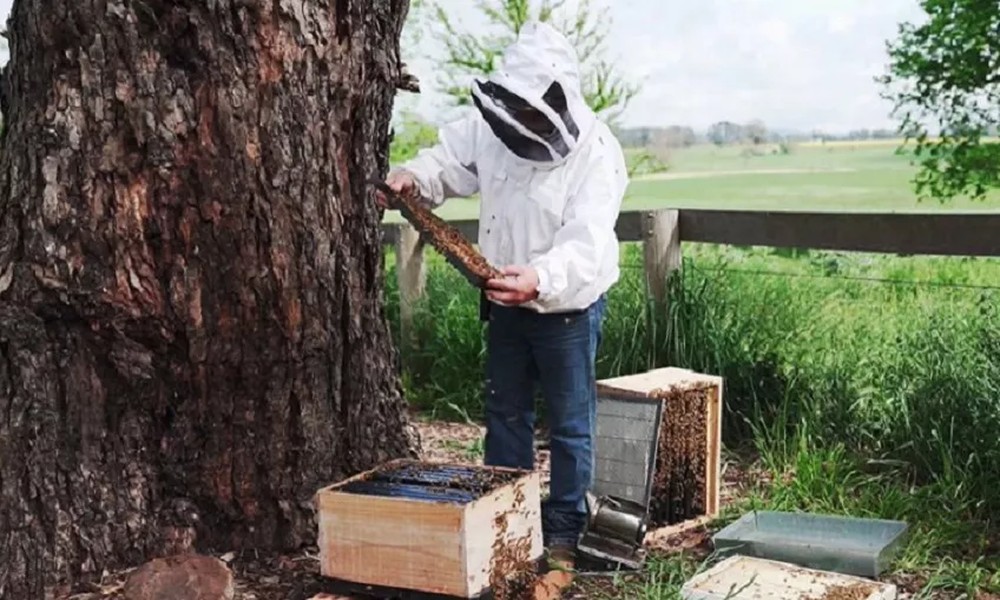

Beekeeping in Phoenix requires consistent attention due to the region’s warm climate and extended active seasons for bees. Regular hive inspections help ensure colony health, prevent disease, and support honey production while minimizing unexpected issues that could disrupt the hive.
Many beekeepers turn to trusted resources like greenmangopest.com for guidance on pest control and hive management. Staying informed and maintaining a structured inspection routine can significantly improve the success and sustainability of beekeeping efforts in Phoenix.
Importance of Regular Hive Inspections
Routine inspections are essential for monitoring the internal condition of a hive. In Phoenix, where temperatures can accelerate colony activity, neglecting inspections may lead to rapid spread of disease, pest infestations, or even colony collapse.
Key benefits of inspections include:
- Early detection of pests such as mites or beetles
- Monitoring the queen’s health and egg-laying pattern
- Ensuring adequate food and space within the hive
- Identifying signs of swarming behavior
Consistent observation allows beekeepers in Phoenix to respond quickly and effectively to any emerging problems.
How Often Should You Inspect a Hive in Phoenix?
The frequency of hive inspections depends on the season, colony strength, and environmental conditions. However, general guidelines can help maintain a healthy balance between oversight and minimal disturbance.
Spring and Early Summer
This is the most active period for bee colonies in Phoenix.
- Inspect every 7-10 days
- Monitor brood development and queen activity
- Watch for signs of swarming
- Ensure sufficient space for expanding colonies
Late Summer and Fall
During these months, colonies begin preparing for cooler conditions.
- Inspect every 2-3 weeks
- Check food stores and hive strength
- Look for pest infestations, especially mites
- Assess overall colony health before winter
Winter Months in Phoenix
Although winters are mild, bee activity slows.
- Inspect every 3-4 weeks
- Avoid opening the hive during cold or windy days
- Perform quick external checks when possible
Signs That Immediate Inspection Is Needed
In addition to routine checks, certain warning signs require prompt attention.
- Reduced bee activity at the hive entrance
- Aggressive or unusual bee behavior
- Presence of dead bees around the hive
- Irregular brood patterns or absence of eggs
- Visible pests such as wax moths or mites
What to Look for During an Inspection
A thorough hive inspection involves examining multiple components to ensure everything is functioning properly.
Queen and Brood Health
- Confirm the presence of the queen or fresh eggs
- Look for a consistent brood pattern
- Identify any abnormalities in larvae or capped cells
Food Supply
- Check for sufficient honey and pollen reserves
- Provide supplemental feeding if necessary
Pest and Disease Control
- Inspect for Varroa mites, hive beetles, and wax moths
- Look for signs of fungal or bacterial infections
Hive Structure
- Ensure frames are intact and properly spaced
- Check for excess moisture or damage
Regular inspections in Phoenix allow beekeepers to maintain a balanced and productive hive environment.
Best Practices for Hive Inspections
To minimize stress on the colony while conducting inspections, follow these best practices:
- Inspect during calm, warm days when bees are active
- Use protective gear and proper tools
- Avoid excessive smoke, which can disrupt bees
- Handle frames gently and avoid crushing bees
- Keep inspections efficient, ideally under 20 minutes
Practicing these techniques helps maintain colony stability while ensuring accurate observations.
Common Mistakes to Avoid
Even experienced beekeepers in Phoenix can make errors that affect hive health.
- Inspecting too frequently, causing stress to bees
- Ignoring seasonal changes in inspection needs
- Failing to recognize early signs of pests or disease
- Neglecting proper record-keeping after inspections
Avoiding these mistakes improves long-term hive management and productivity.
Takeaway
Regular hive inspections are a cornerstone of successful beekeeping in Phoenix. By following a seasonal schedule, staying alert to warning signs, and using proper techniques, beekeepers can protect their colonies from potential threats. Consistent care and informed practices ensure healthy, thriving hives and a rewarding beekeeping experience.
Beehive Inspection in Phoenix: How Often Should You Check for Problems
