

Roof leakage remains one of the most pressing concerns for homeowners and property managers across Singapore’s humid, tropical climate. When water begins seeping through your ceiling, the damage extends far beyond mere aesthetics. Left unattended, even a minor drip can transform into a cascade of problems: structural deterioration, electrical hazards, mould proliferation, and the steady erosion of your property’s value. Understanding the causes, recognising the warning signs, and knowing when to act can mean the difference between a simple repair and a costly renovation.
The Reality of Singapore’s Climate Challenge
Singapore’s weather patterns present a unique challenge for building maintenance. With annual rainfall exceeding 2,300 millimetres and humidity levels consistently above 80 per cent, roofs face relentless assault from the elements. The combination of intense tropical downpours and scorching heat creates a cycle of expansion and contraction that gradually weakens roofing materials. As one local building surveyor observed, “In Singapore’s climate, it’s not a question of whether your roof will develop issues, but when.”
Common Causes of Leaking Roofs
Understanding why Roof Leakage develop helps property owners take preventative action. The most frequent culprits include:
- Ageing waterproofing membranes that have exceeded their lifespan
- Cracked or displaced roof tiles from thermal stress • Blocked or damaged guttering systems causing water overflow
- Poor installation or maintenance of flashing around chimneys and vents
- Structural settling that creates gaps in roofing joints
- Deteriorated sealant around roof penetrations
The tropical sun’s ultraviolet rays prove particularly destructive to waterproofing materials, causing them to become brittle and crack over time. Meanwhile, the constant moisture encourages algae and moss growth, which traps water against the roof surface and accelerates deterioration.
Recognising the Warning Signs
Early detection is crucial for minimising damage from leaking roofs. Property owners should remain vigilant for these telltale indicators:
- Water stains or discolouration on ceilings and walls
- Peeling paint or bubbling wallpaper
- Musty odours suggesting hidden moisture
- Visible mould or mildew growth
- Dripping sounds during or after rainfall
- Damp patches that appear and disappear
- Sagging ceiling sections
“The biggest mistake homeowners make is ignoring small signs,” noted a veteran waterproofing specialist. “A tiny stain today can become a collapsed ceiling tomorrow.”
The Hidden Costs of Delayed Repairs
Many property owners underestimate the true cost of postponing roof leak repairs. Beyond the obvious water damage, moisture infiltration creates an environment conducive to mould growth, which poses serious health risks, particularly for individuals with respiratory conditions. Electrical systems become hazardous when exposed to water, creating potential fire risks. Wooden structural elements rot, compromising the building’s integrity. Insurance claims become complicated when damage results from neglected maintenance rather than sudden incidents.
The financial mathematics prove compelling. A prompt repair might cost several hundred dollars, whilst extensive water damage requiring structural repairs, mould remediation, and replacement of damaged possessions can escalate into tens of thousands.
Effective Solutions for Roof Seepage
Addressing roof seepage requires a systematic approach tailored to the specific problem. Professional assessment begins with identifying the leak’s source, which isn’t always directly above the visible damage, as water can travel along structural elements before manifesting inside.
- Common repair methods include:
- Application of modern polymer-based waterproofing membranes
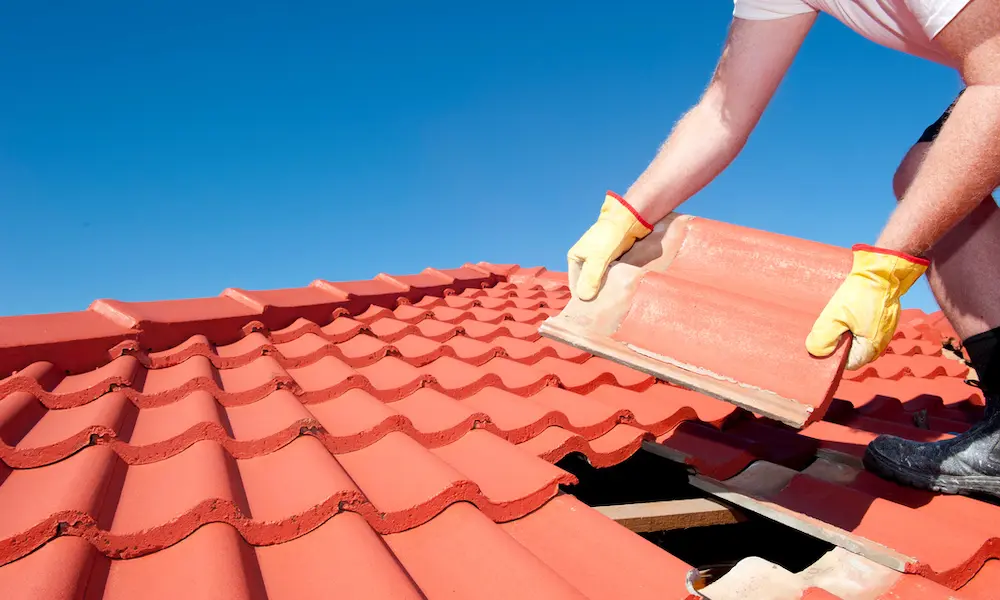
- Replacement of damaged tiles or roofing sheets
- Repair or replacement of flashing systems
- Clearing and maintaining proper drainage
- Sealing joints and penetrations with weather-resistant compounds
- Installation of additional protective layers in vulnerable areas
For flat roofs common in Singapore’s residential blocks, specialised waterproofing systems offer long-lasting protection. Pitched roofs may require tile replacement or complete re-roofing depending on the extent of deterioration.
Prevention: Your Best Defence
Proactive maintenance proves far more economical than reactive repairs. Regular inspections, particularly before and after monsoon seasons, allow early detection of potential problems. Annual professional assessments cost relatively little compared to emergency repairs.
Property owners should maintain clean gutters, trim overhanging branches that retain moisture against the roof, and ensure proper attic ventilation. Keeping records of maintenance work helps track the roof’s condition over time and proves valuable for insurance purposes.
Choosing the Right Approach
When faced with roof waterproofing needs, property owners must balance immediate costs against long-term value. Quality materials and professional workmanship cost more upfront but deliver superior longevity and reliability. Conversely, budget solutions may require repeated repairs, ultimately proving more expensive.
Obtain multiple quotations, verify credentials and past work, and ensure proper warranties cover both materials and workmanship. Reputable professionals provide detailed assessments and transparent pricing rather than pressure tactics.
Moving Forward with Confidence
Your roof represents one of your property’s most critical protective elements. In Singapore’s demanding climate, vigilance and prompt action separate well-maintained properties from those facing escalating deterioration. Regular inspections, immediate attention to warning signs, and investment in quality repairs ensure your home remains dry, safe, and valuable. Whether you’re addressing existing damage or implementing preventative measures, understanding the nature of roof leakage empowers you to make informed decisions that protect your most significant investment.
