
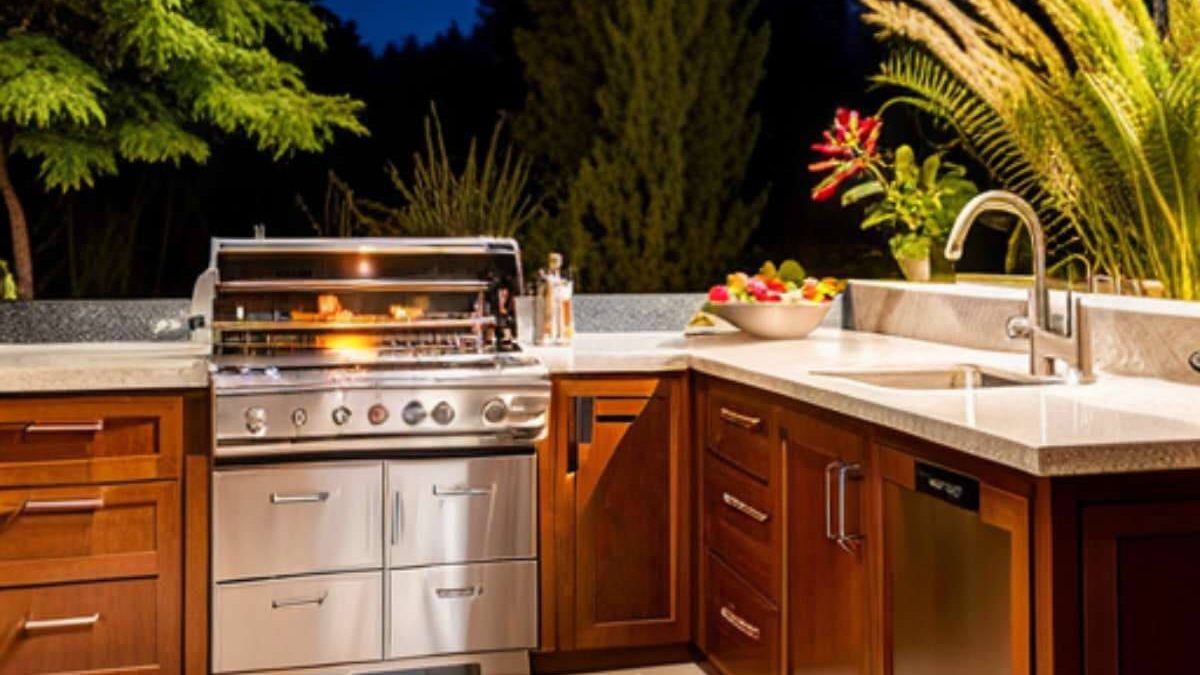

When designing an outdoor kitchen, choosing the right materials is essential for both aesthetics and functionality. Among the many options, stainless steel and solid wood stand out as two popular choices, each offering distinct advantages and disadvantages. In this article, we focus on key considerations for outdoor kitchens and compare the benefits of fireproof stainless steel versus flammable solid wood.
The Importance of Material Choice in Outdoor Kitchens
Stainless Steel Outdoor kitchens are more than just a trend—they’re an extension of your living space and an investment in your home’s value. Therefore, durability, safety, and style are crucial factors to consider when selecting the materials for your setup.
Key Points:
Durability: Outdoor kitchens must withstand the elements, such as rain, UV radiation, and temperature fluctuations.
Safety: Fire safety is a top concern, especially if the kitchen includes grills, smokers, or fire pits.
Maintenance: Easy-to-clean surfaces simplify upkeep, allowing you more time to enjoy your outdoor space.
Aesthetics: Visual appeal plays a significant role in the overall enjoyment and value of the space.
Fireproof Stainless Steel: A Top Choice for Practicality
Advantages of Stainless Steel
1. Fire Resistance:
Stainless steel is inherently fireproof, making it an ideal choice for kitchen areas involving open flames or heat exposure. Unlike wood, it can withstand high temperatures without warping or igniting.
2. Durability:
This metal is resistant to rust, corrosion, and stains, ensuring a long-lasting and shiny appearance over time.
3. Low Maintenance:
Stainless steel surfaces are easy to clean and require minimal upkeep. Wiping down with a basic detergent and water keeps it in pristine condition.
4. Modern Aesthetics:
It offers a sleek, modern appearance that complements various design styles. Stainless steel also pairs well with other materials, allowing for versatile design choices.
Considerations for Stainless Steel
Heat Conduction:
While stainless steel itself doesn’t burn, it does conduct heat, which might require using insulated handles or gloves when cooking.
Cost:
Quality stainless steel can be costlier upfront compared to some wood options, though its durability often results in long-term savings.
Flammable Solid Wood: A Classic but Riskier Choice
Advantages of Solid Wood
Natural Beauty:
Wood offers a warm, natural aesthetic that blends seamlessly with outdoor environments, from rustic country styles to classic elegance.
1. Versatility:
Available in various types, finishes, and grains, wood provides a wide range of design flexibility and personalization options.
2. Cost:
Depending on the type of wood selected, it can be a more budget-friendly choice compared to high-end stainless steel.
Considerations for Solid Wood
1. Flammability:
Solid wood is flammable and may pose a fire risk if not treated or positioned safely away from heat sources. Fire retardants may provide some degree of protection but could alter the wood’s natural appearance.
2. Maintenance Requirements:
Requires regular sealing, staining, or painting to maintain its appearance and protect against weathering, pests, and rot.
3. Prone to Damage:
More suseptible to dents, scratches, and wear over time, potentially leading to higher maintenance costs and replacements.
Weighing Your Options
Choosing between fireproof stainless steel and flammable solid wood for your outdoor kitchen largely depends on your design preferences, budget, and how you plan to use the space. Stainless steel is a robust, safe, and modern solution for longevity and ease of maintenance. On the other hand, solid wood offers unique aesthetics and versatility but requires careful consideration in terms of fire safety and upkeep.
