


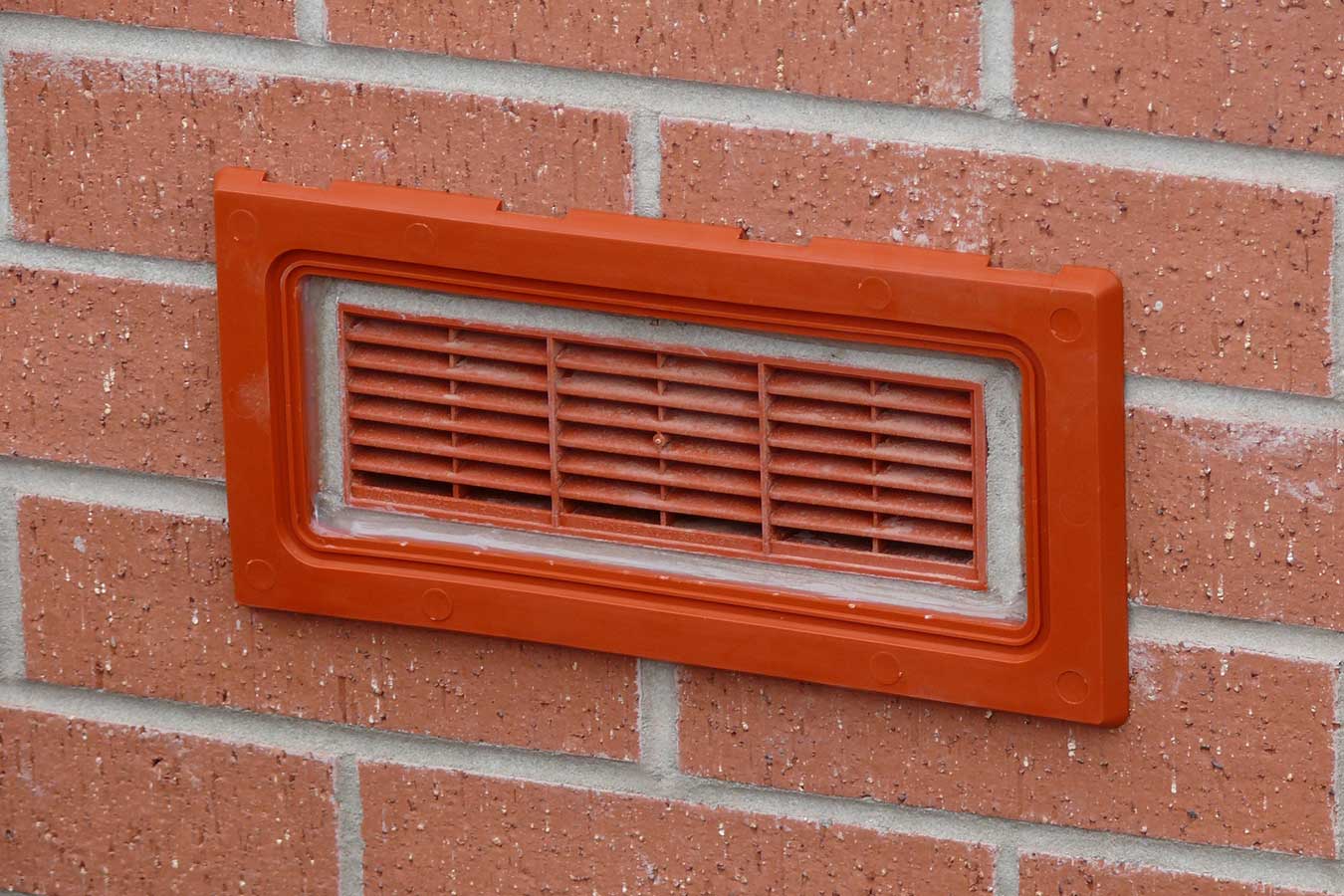
Air bricks are easy to overlook because they’re meant to be unobtrusive—small vents that help a property “breathe” by allowing airflow beneath suspended floors and through certain wall cavities. But that same opening can become a weak point. In areas where rats, mice, or even larger insects are active, an unprotected air brick can offer a straightforward route into voids under the floor, where pests can nest unnoticed for a long time.
That’s why many homeowners consider installing rat proof air brick covers as a practical upgrade. The idea isn’t to block ventilation (which can create damp issues); it’s to maintain airflow while adding a physical barrier that pests can’t squeeze through or chew past easily.
Why Air Bricks Attract Pest Activity
Air bricks sit close to ground level, often near planting beds, decking, or stored garden items—precisely the kinds of sheltered edges pests like to travel along. If there are gaps in mortar, cracked bricks, or soft surrounding soil, the area becomes even more accessible. Once a rat gets into a sub-floor void, it can:
- Build nesting material out of insulation or stored items
- Leave droppings and urine that create persistent odours
- Chew wiring and woodwork in hidden spaces
- Use the void as a base to explore further entry points
The challenge is that you might not notice any of this until you hear scratching, find gnaw marks, or deal with repeated pest sightings indoors.
Ventilation Still Matters (And Should Not Be Sealed)
A common mistake is sealing air bricks completely. Sub-floor ventilation helps reduce moisture buildup, which can lead to condensation, mould, and timber decay. So the goal is pest resistance without turning the vent into a solid wall.
That’s where choosing an air brick cover for pest proofing becomes useful: it adds a mesh or grille-style barrier that allows airflow while preventing rodents from entering the opening.
What To Look For In A Good Cover
Not all covers are the same, and the “best” option depends on the air brick size and exposure level. In general, homeowners should look for:
- Correct fit and secure fixing: a cover that sits flush and can be fastened appropriately reduces pry points.
- Durable materials: outdoor vents face rain, frost, and UV exposure; corrosion-resistant materials help ensure long-term reliability.
- Mesh size that balances airflow and protection: small enough to deter rodents, but open enough to avoid restricting ventilation.
- Ease of inspection: It should be possible to check the vent periodically for debris or leaf buildup.
If mentioning the website name once for context, many people browse options from Air Brick Covers when comparing sizes and styles.
Installation Tips And Ongoing Maintenance
Installation is often straightforward, but the surrounding area matters. Before fitting a cover, it’s worth clearing soil, leaves, or plant growth that touches the vent. If the air brick itself is loose or the mortar is crumbling, repair it first; otherwise, pests may exploit gaps around the cover rather than go through it.
After installation, occasional checks are sensible, especially after storms or during autumn. The primary concern is debris accumulation (leaves, dust, spider webs), which can reduce airflow over time if ignored.
A Small Change That Prevents Bigger Problems
Rat-proofing is often most effective when it closes off the easy entry points first. Air bricks are one of those points—quiet, low-level, and easy for pests to target. A properly fitted cover won’t solve every pest issue, but it can remove a common entry point into hidden parts of a home while keeping essential ventilation working as intended.
