
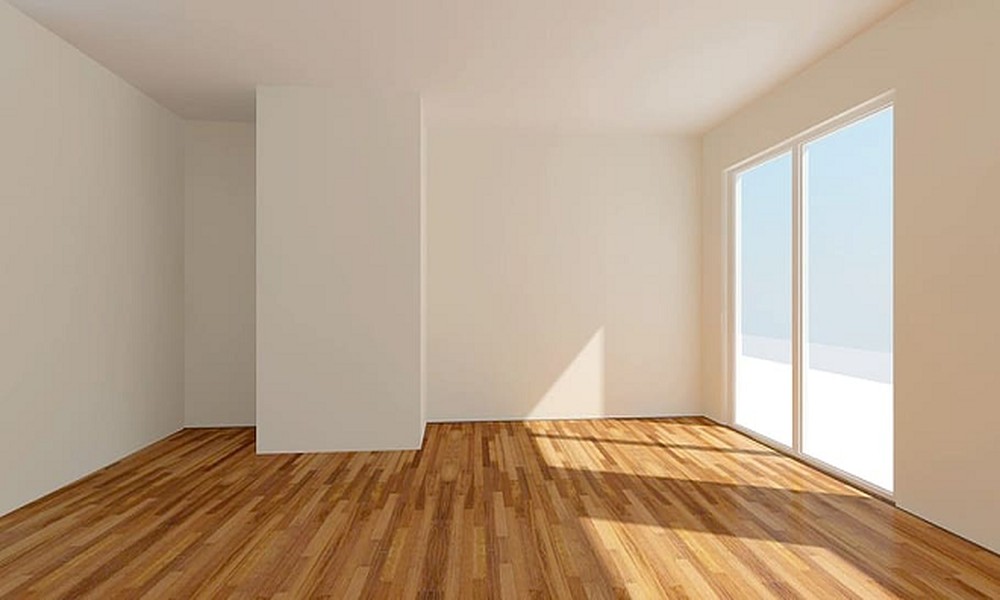

To ensure that wooden floor installations will last, perform well, and look great after completion, you must install the flooring correctly. When wood is not properly installed, even very high-quality materials will fail prematurely because of issues created during the installation process. Many common types of installation problems, such as gaps, warping, squeaking, and unevenness,can generally be traced back to common mistakes made during installation.
To help you avoid making these mistakes during the installation of wooden flooring, here is a list of the top three:
1. Not Preparing Your Subfloor
The most common mistake made during installation is to install wood flooring over an unclean, uneven, damp or examining subfloors. To prepare for a proper installation of wood flooring:
- Check your subfloor for cleanliness and be free of debris
- Verify that your subfloor is completely dry
- Confirm that your subfloor is level
- Repair any cracks or weak points
If the subfloor you are installing your wood flooring over is not properly prepared, your flooring will move, squeak or become structurally unstable over time.
2. Not Performing Moisture Tests
Wood reacts when there is moisture present. If moisture testing is not performed on the subfloor and the wood flooring you are installing, expansion, cupping, and buckling of the wood will occur
To perform moisture testing:
- Conduct proper moisture testing of both the wood flooring and the subfloor prior to installation
- Use a moisture barrier in cases requiring such
- Maintain stable room conditions where you are installing wood flooring
Moisture is essential for the long-term performance of wood flooring.
3. Not Allowing for Proper Acclimatisation
The wooden flooring must acclimate to the room temperature and humidity before installing. Standard good flooring practices:
- Acclimatise the floorboards for at least 48-72 hours.
- Store the new floorboards in the same room where they will be installed.
- Maintain a consistent indoor climate.
If you omit this step, there is a risk of gaps and/or swelling after you have installed the new floor.
4. Not Leaving Expansion Gaps
Wood has natural expansion and contraction; therefore, if you do not leave adequate expansion space around the walls/fixed objects, the floor may buckle.
How You Should Do It:
- Leave an expansion gap at the walls.
- Cover the gaps with skirting/molding
- Follow the manufacturer’s guidelines for spacing expansion gaps.
Expansion gaps relieve some of the pressure applied to the flooring system due to the wood expanding.
5. Using an Incorrect Installation Method
There are different types of floors; therefore, it is important to use the correct method for installing the different types of flooring.
A nail-down method is used for solid hardwood, a glue-down method is used for engineered wood floors, and floating or click-lock methods are used to install laminate flooring. If the wrong method is used, the stability of the flooring could be affected and may void the warranty.
6. Poor Layout Planning and Proper Alignment
If the flooring planks do not properly align, it will affect the strength of the flooring overall and will also affect the appearance of the floor.
An example of a bad plan:
- Using a random floor starting point.
- Using narrow end pieces on the walls.
- Using uneven joint structures on the boards.
Properly planning the layout of your flooring prior to installation will help you achieve a professionally installed flooring design system.
7. Installing Too Quickly
Installing wood flooring takes precision and time in measuring, cutting, and applying the manufacturer’s installation guidelines. Rushing the installation process will create gaps, uneven boards, and poor bonding to the subfloor.
Spending time on the above processes will create a long-lasting, durable product.
8. Do Not Skip Professional Installations for Larger / More Complex Projects
For larger commercial areas, heavily trafficked areas, or high-end designed layouts, you should get a professional installer to do the job due to the complexity of the installation.
By using a professional installer, you will:
- Properly prepare the sub-floor.
- Properly install the flooring using the appropriate methods.
- Reduce your likelihood of making costly installation mistakes.
Overall
If you avoid the mistakes discussed in this document, you will increase your flooring’s durability, performance, and overall aesthetics. Properly controlling moisture, properly acclimatising the flooring, properly providing expansion gaps, and properly using the appropriate installation method will ensure that your new wood floors will last a long, long time.
When combined with quality wood flooring products and professional installations, wood floors are an excellent, timeless investment in any residential or commercial environment. Royale Touche offers high-quality wood flooring and provides a wide variety of beautiful and long-lasting choices for your home through professional-quality wood flooring installations.
