
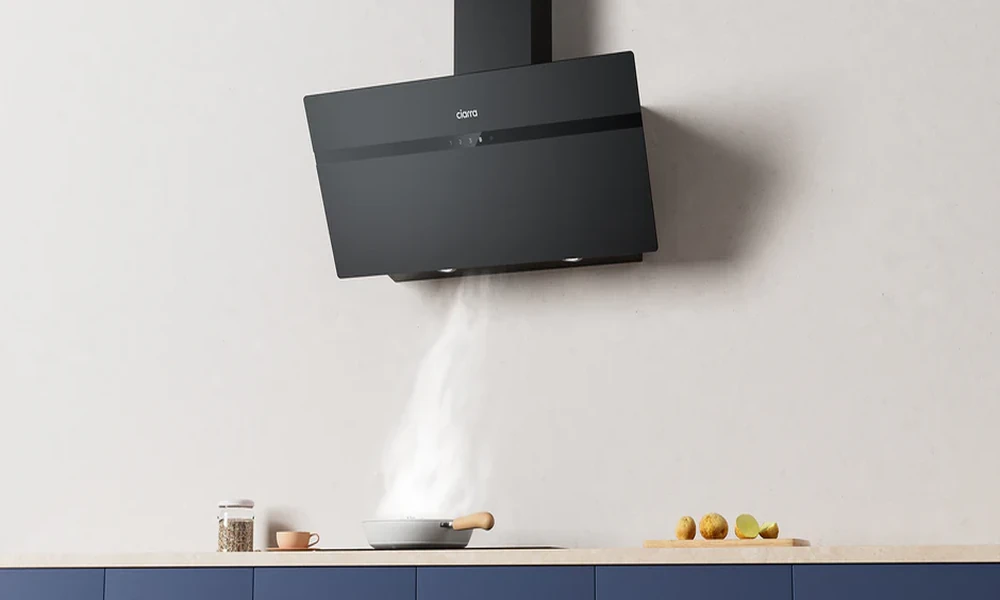

The relationship between a gas cooktop and its rangehood is more consequential than the equivalent pairing for electric or induction cooking. Gas combustion generates by-products that need to be extracted – not just odours and grease but thermal combustion gases – and the heat output of gas burners creates more vigorous vapour movement that requires the rangehood to respond appropriately. Getting this pairing right from the outset produces a kitchen that performs well and is genuinely safe.
Why the Pairing Matters
A gas cooktop and rangehood pairing that is mismatched – an undersized hood above a high-output gas cooktop, or a hood with insufficient clearance above the flame – creates both performance and safety problems. An undersized hood fails to capture all the cooking vapours and combustion gases, resulting in air quality degradation in the kitchen. Insufficient clearance exposes the hood body and grease filters to direct heat that accelerates wear and increases fire risk.
Matching Extraction Capacity to Burner Output
The standard guideline for gas extraction is 100 CFM per 10,000 BTU of burner output. High-output professional-style gas cooktops with 15,000 BTU or 18,000 BTU burners require correspondingly higher extraction rates. When specifying the rangehood for a gas cooktop, adding the total BTU output of all burners and applying this guideline produces the minimum extraction rate requirement. Brands like Ciarra One offer rangehood models with motor specifications appropriate for a range of gas cooktop configurations.
Clearance Requirements
Gas cooktop clearance requirements for the rangehood above them are set by both the hood manufacturer and local safety codes. The minimum distance – typically 75cm or 30 inches for domestic gas – provides both performance and safety benefits. Cooking closer than the minimum exposes the hood to excessive heat; positioning the hood higher than optimal for the motor specification reduces capture efficiency. Following the manufacturer’s recommended range exactly produces the best combination of safety and performance.
Aesthetic Coordination
Beyond technical specification, coordinating the visual design of the gas cooktop and rangehood creates a coherent cooking area aesthetic. Matching finishes – stainless steel cooktop with stainless hood, black cooktop with black hood – creates visual unity. Ensuring the hood width proportionally matches the cooktop width and that the chimney height fills the space to the ceiling appropriately produces an installation that looks intentional rather than assembled from mismatched components.
