
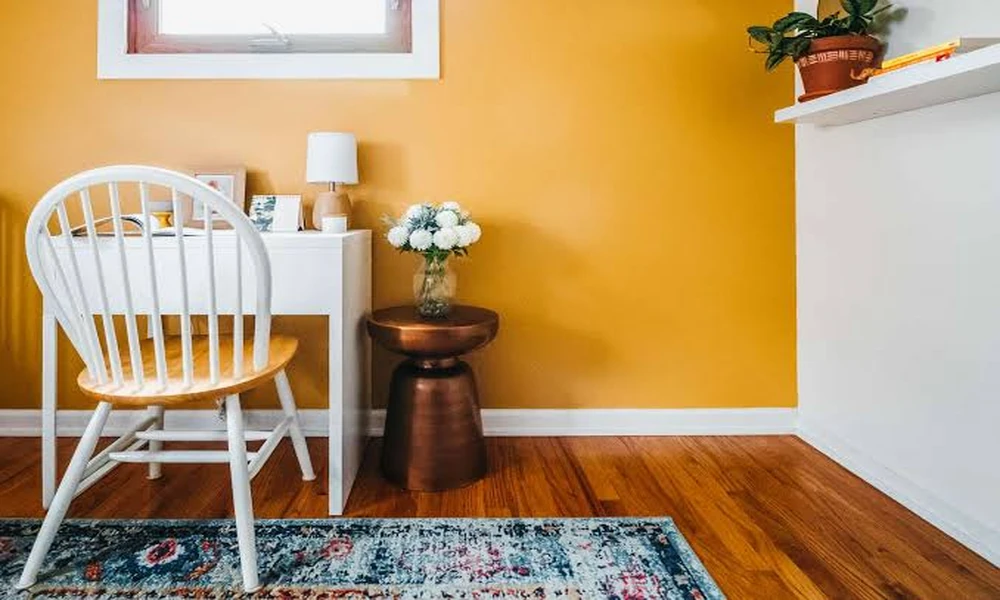

Plain walls can provide a clean backdrop, but textured surfaces can give an interior far more personality. From subtle finishes that add depth to dramatic effects inspired by natural stone, wall textures can transform an ordinary room into a visually interesting space. They can also help define feature walls, highlight architectural details, and create a more sophisticated atmosphere without completely changing the furniture or layout.
Before choosing a finish, consider the room’s size, lighting, existing décor, and the amount of maintenance you are comfortable with. The right texture should complement the space rather than overwhelm it.
Why Choose Texture Painting for Walls?
Texture painting walls is a versatile way to introduce depth and visual movement. Instead of creating a completely flat surface, textured paint can produce patterns, grains, ridges, or subtle raised effects. Depending on the technique, the result can range from understated and elegant to bold and artistic.
Texture works particularly well on living-room feature walls, bedroom backdrops, dining areas, and entryways. A single textured wall can become the focal point while the surrounding walls remain simple.
The finish can also influence how a room feels. Fine textures tend to look refined and understated, while heavier patterns create a stronger decorative statement. When choosing between them, consider how much visual detail is already present in the room.
Marble Texture Painting for a Luxe Look
For homeowners who want an elegant, premium appearance, marble texture painting can be an appealing alternative to installing actual stone. This decorative technique recreates the visual character of marble through layered colours, veining, shading, and specialised application methods.
Classic white and grey marble effects can create a bright and sophisticated appearance, while beige, brown, or darker tones can produce a warmer and more dramatic look. Marble-inspired finishes work particularly well behind televisions, beds, dining areas, or other focal points.
The quality of the final effect depends heavily on surface preparation and application technique. Uneven walls can affect the appearance of fine veining and layered finishes, so proper preparation is important. For intricate decorative work, an experienced professional can help achieve a more natural result.
Exploring Wall Tile Textures
Paint is not the only way to create dimension. Wall tile textures offer another option for adding depth and structure to interiors. Textured tiles can imitate stone, wood, concrete, fabric, or geometric patterns, providing a more tactile finish.
They can be useful in areas where durability and easy cleaning are important. Depending on the material, textured tiles can be considered for kitchen backsplashes, bathroom walls, entrance areas, or selected feature sections.
However, heavily textured tiles can collect dust in grooves and raised areas. For this reason, consider maintenance before selecting a highly patterned surface, particularly in areas that are difficult to access.
Keep Texture Balanced
Texture is most effective when used strategically. Covering every wall with a strong pattern may make a room feel crowded. Instead, select one or two areas where the finish can create visual impact.
If the furniture already has bold patterns, a subtle wall texture may provide better balance. Similarly, a dramatic marble effect can be paired with simple furnishings and neutral surrounding walls.
Lighting also matters. Side lighting can emphasise raised textures and create shadows, while direct lighting may make certain imperfections more noticeable. Always test the finish under the lighting conditions used in the actual room.
Prepare the Wall Before Applying Texture
Good preparation is essential for a durable and attractive result. Clean the surface, repair cracks and holes, remove loose paint, and ensure the wall is suitably dry. Primer may also be required depending on the existing surface and the selected decorative system.
A properly prepared wall helps the texture adhere evenly and reduces the risk of premature peeling or uneven appearance.
Whether you choose painted patterns, marble-inspired effects, or textured tiles, the goal is to add character without sacrificing harmony. With the right finish, careful preparation, and thoughtful placement, textured walls can turn a simple interior into a distinctive and inviting space.
