
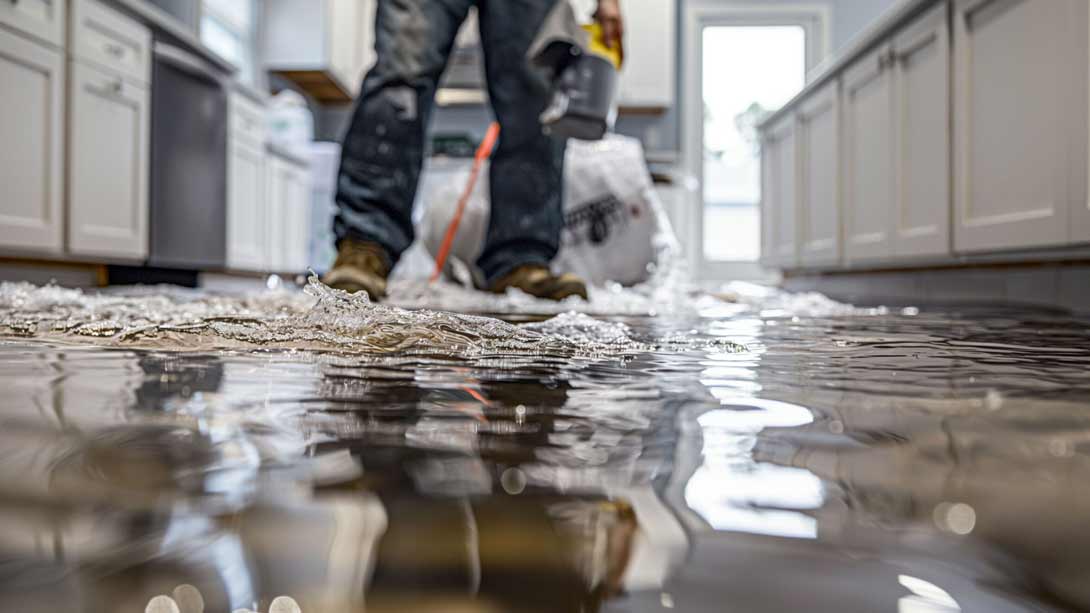

Water damage rarely shows up at a convenient time. A burst pipe, basement seepage, or an appliance leak can turn into warped floors, swollen drywall, and that stubborn musty smell if you do not act quickly. The good news is that effective drying and air cleaning follow a clear sequence. With the right equipment and a calm plan, you can limit damage, reduce downtime, and protect the air your family or team breathes.
Step 1: Stop the moisture from spreading
Before you bring in machines, do the basics: stop the source of water, shut off power in affected areas if needed, and remove standing water with wet vacs or extraction tools. Next, focus on airflow and dehumidification. Water hides in porous materials like carpet padding, baseboards, and framing, so simply opening windows is rarely enough, especially in humid weather. Commercial-grade drying tools speed up evaporation and pull moisture out of the air so surfaces can actually dry instead of staying damp. If you are in Simcoe County and need gear quickly, this resource is a solid starting point for drying equipment rental in Barrie – Drying Equipment Rental – Barrie. Aim to dry aggressively in the first 24 to 48 hours. That is the window where you can often prevent secondary issues like swelling, delamination, and microbial growth.
Step 2: Clean the air while you dry
Drying is only half the job. When materials get wet, the air can fill with dust, odors, and microscopic particles that get stirred up by fans. This is especially important if you are removing wet drywall, lifting carpet, or dealing with sewage or stormwater. Air filtration keeps work areas safer and helps control that lingering smell that tells you moisture is still somewhere. A HEPA air scrubber can capture fine particles and improve overall air quality while drying equipment does its work. If you are closer to York Region, you can look into Air Movers Rental in Newmarket – Beast 600 HEPA Air Scrubber / Purifier | Hepa Air Scrubber Rental |DryingEquipment.ca – Newmarket & Aurora. Pair air scrubbing with targeted airflow across wet surfaces and steady dehumidification for the best results. When the space feels dry, verify it. Use a moisture meter if possible, check hidden edges like behind baseboards, and keep equipment running a bit longer than you think you need. Drying thoroughly now is cheaper than rebuilding later.
