

Many household materials manufactured throughout the twentieth century incorporated minerals for their fire-resistant and insulating properties. Asbestos, a naturally occurring fibrous silicate, became a standard additive in construction due to its durability and cost-effectiveness. Its ability to withstand high temperatures and resist electrical current made it an ideal choice for builders seeking long-term structural integrity.
What is asbestos and why was it used?
The versatility of this mineral allowed manufacturers to blend it into various building products. By weaving it into textiles or mixing it with cement, companies produced goods that would not only endure environmental wear but also provide a thermal barrier. While these traits served industrial purposes well, they eventually created public health complications as the material became brittle over time.
Identifying construction timeframes with high risk
Property owners evaluating structures built before the 1980s should be aware that the likelihood of encountering these materials remains elevated. The building codes of that era often prioritized structural fire protection, which frequently mandated the inclusion of mineral fibers. Understanding asbestos and its health risks helps homeowners recognize whether their property falls into a peak usage period.
How asbestos becomes hazardous to homeowners
When structural components remain solid and in good condition, they generally pose no immediate threat to the inhabitants. The risk emerges when these materials suffer from degradation, impact, or unauthorized renovation attempts. Once fibers become airborne, they present a significant hazard, as they are microscopic and linger in the air long after the work has concluded.
Common locations for asbestos in residential buildings
Identifying potential hazards requires a thorough visual assessment of the building’s infrastructure. Many homeowners overlook standard finishing materials that contain these minerals, especially when they occupy spaces hidden behind drywall or buried beneath new flooring layers. Recognizing where these materials are typically situated is the first step toward managing them safely.
Insulation, wall panels, and ceiling tiles
Attic insulation, fire-rated ceiling tiles, and wall boards frequently contain legacy minerals, especially in older multi-story homes. These areas are often left undisturbed for decades, reducing the immediate risk of fiber release until a renovation project begins. Accessing these spaces without proper containment measures is risky and often counterproductive to long-term safety protocols.
Flooring materials and adhesive mastics
Many vinyl tiles and the adhesive mastics used to secure them were manufactured with mineral components to stabilize the flooring system. It is important to remember that these common materials often hide in plain sight under newer floor coverings. Common materials identified for inspection include:
- Vinyl floor tiles
- The underlying black adhesive mastic
- Linoleum backing materials
- Soundproofing insulation panels
Checking these components involves identifying the installation timeframe and consulting with experts who track historical product usage. If the floor shows signs of lifting or powdering at the seams, it should be isolated and evaluated independently.
Roofing, siding, and exterior components
Exterior cladding, such as cement siding shingles and roof shingles, often utilized these mineral additives to fend off rot and weather damage. These materials remain a concern during exterior home improvement projects where drilling or cutting might stir up dust. Homeowners should consult expert guidance on identifying materials before stripping or modifying old siding.
Pipe lagging and furnace insulation
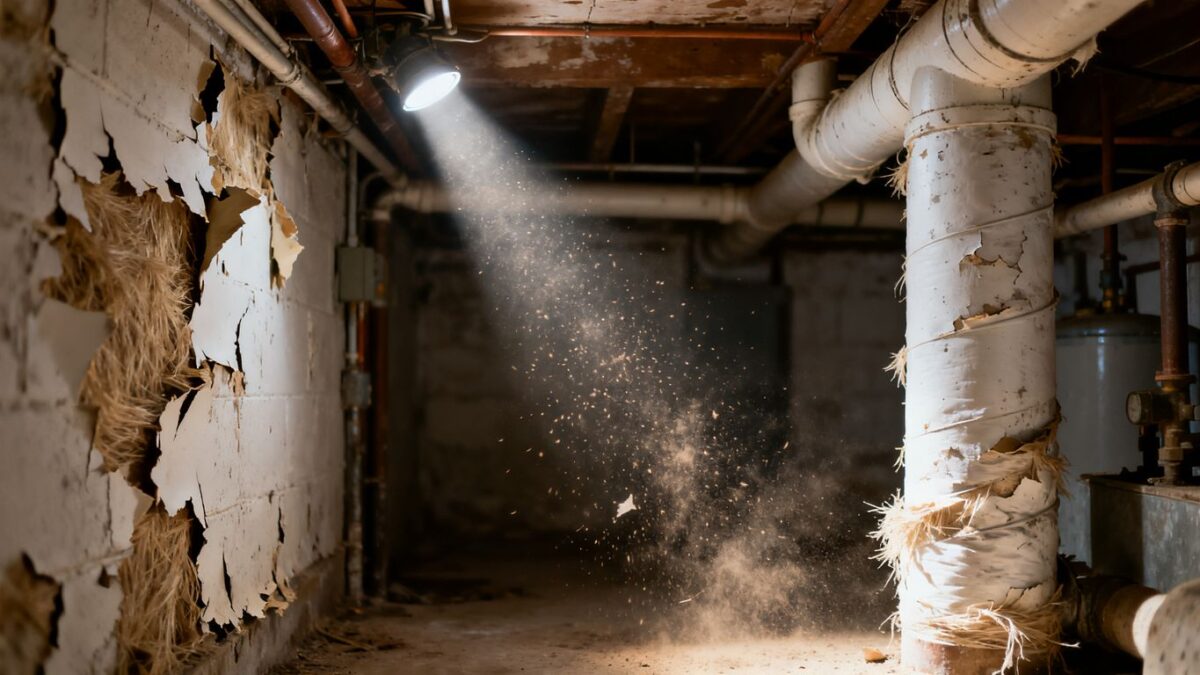
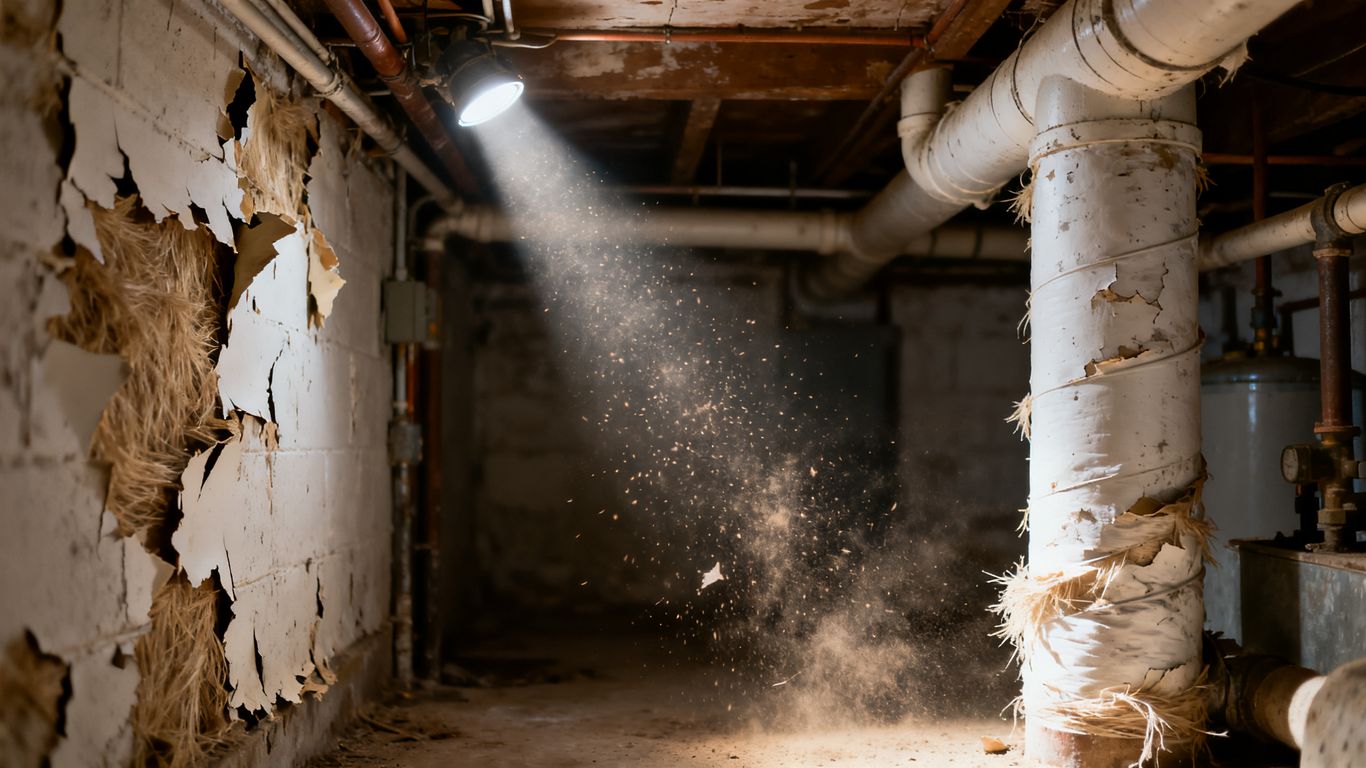
Heating systems in older homes often feature thick, powdery insulation wrapped around pipes. This material, often called pipe lagging, is highly susceptible to crumbling if touched or brushed against during routine maintenance. Because this insulation is often located in basements or utility rooms, it creates a risk if residents inadvertently disturb the mechanical systems.
The biological connection between asbestos and lung cancer
The health impacts of fiber exposure develop over long periods, often manifesting long after the initial inhalation event. Once these microscopic particles enter the atmosphere, they can easily travel through home drafts or ventilation systems. Understanding the pathways of these particles is crucial for maintaining a healthy living environment.
Inhalation mechanisms and fiber migration
The primary danger involves the inhalation of microscopic fibers. These particles are often invisible to the naked eye and can travel deep into the lung tissue with simple breathing. Once lodged in the respiratory tract or pleural lining, they are difficult for the body to expel.
How fibers trigger inflammation and cellular damage
Inflammation occurs when the body’s natural defense cells attempt to eliminate the sharp, intrusive fibers but fail due to their chemical composition. This chronic state of irritation causes scarring and long-term damage to the cellular structure. Over time, this biological stress often progresses into malignant formations, impacting the pleura or surrounding lung tissues.
The latency period for asbestos-related cancers
A distinct characteristic of mineral-related illnesses is the extended latency period, which can span several decades. Individuals who had occasional or low-level exposure during youth may not see symptoms of lung cancer until much later in life. Consistent medical monitoring is therefore recommended for those with confirmed past contact.
How to safely assess asbestos in your home
Homeowners who suspect the presence of mineral fibers in their house must approach assessment with extreme caution. The primary rule is to avoid any activity that could liberate dust, ensuring the area remains stable and undisturbed until professional verification occurs. Proper asbestos assessment and management ensures that no one is exposed during the investigative phase.
Recognizing signs of asbestos-containing materials
Materials containing these fibers frequently exhibit a fibrous or crumbly texture if they have aged significantly. While visual identification is never a substitute for a laboratory result, certain indicators like weathered pipe wrappings or specific floor patterns from early production years warrant closer scrutiny by qualified personnel.
The importance of professional testing versus DIY methods
Attempting to collect samples without laboratory equipment and professional training is dangerous. Professionals use specialized containment, filtration, and sampling techniques to ensure that none of the fibers are released during the testing process. Their analysis is the only recognized way to determine if legal removal or mitigation is strictly required.
Managing materials that remain in undisturbed condition
When a professional confirms that materials are in good condition, they may recommend leaving them in place, often called encapsulation. Managing these items requires vigilance, regular maintenance of the area, and keeping accurate records of their location for future occupants. This approach prevents unnecessary demolition and keeps the living environment stable.
Guidelines for asbestos abatement and removal
Abatement is a formal process that requires compliance with environmental protection standards. It ensures that any disturbing of materials occurs within a hermetically sealed environment, preventing outside contamination. Relying on specialized asbestos remediation services is vital for ensuring compliance and safety.
Why professionals must handle disturbance and demolition
Certified abatement contractors possess the specific respiratory protection and air-scrubbing equipment necessary to neutralize fiber discharge. They understand the thermodynamic and chemical behaviors of the materials they manage, which prevents the accidental spreading of hazardous particles throughout the rest of the property.
Regulations for residential asbestos disposal
Federal and local disposal rules mandate how these materials are bagged, transported, and buried. It is illegal to dispose of confirmed asbestos-containing waste in standard residential trash containers. Contractors must verify that all removed materials are delivered to specialized landfill facilities sanctioned to handle hazardous construction debris.
Protecting residents during remediation projects
Safety planning during an active remediation project includes isolating the work zone with negative air pressure systems. This protects the remainder of the home by ensuring that air moves into the work zone rather than out of it. Occupants must be relocated until an final air clearance test confirms the restoration of acceptable indoor air quality.
Legal and safety considerations for property owners
Liability management represents a significant aspect of property ownership, particularly regarding historical construction materials. Owners must balance transparency with the reality of building maintenance. Legal requirements vary, so owners should consult with local authorities when preparing a residential property for market transfer.
Disclosure requirements during real estate transactions
Most jurisdictions require sellers to disclose any known hazardous materials, including suspected or confirmed asbestos. Failing to provide this transparency can lead to significant litigation. Maintaining an accurate history of professional inspections provides protection for both the buyer and the seller during the real estate transaction process.
Federal versus local guidelines for property management
While federal standards provide a baseline for safety, many states and local municipalities enforce stricter rules regarding notification and permitting. Property managers must stay informed about changing local regulations that may impact how they perform infrastructure updates. Ignorance of these local codes does not provide an exemption from liability in cases of accidental exposure.
Mitigating liability for contractors and future occupants
Documenting every interaction with a hazardous material contractor is the most effective way to limit long-term legal exposure. Records of abatement reports, official permits, and post-remediation air tests demonstrate that the property was managed according to standard professional codes. This diligence ensures that future occupants enter a space that has been handled lawfully and responsibly.
Additional Reading
