
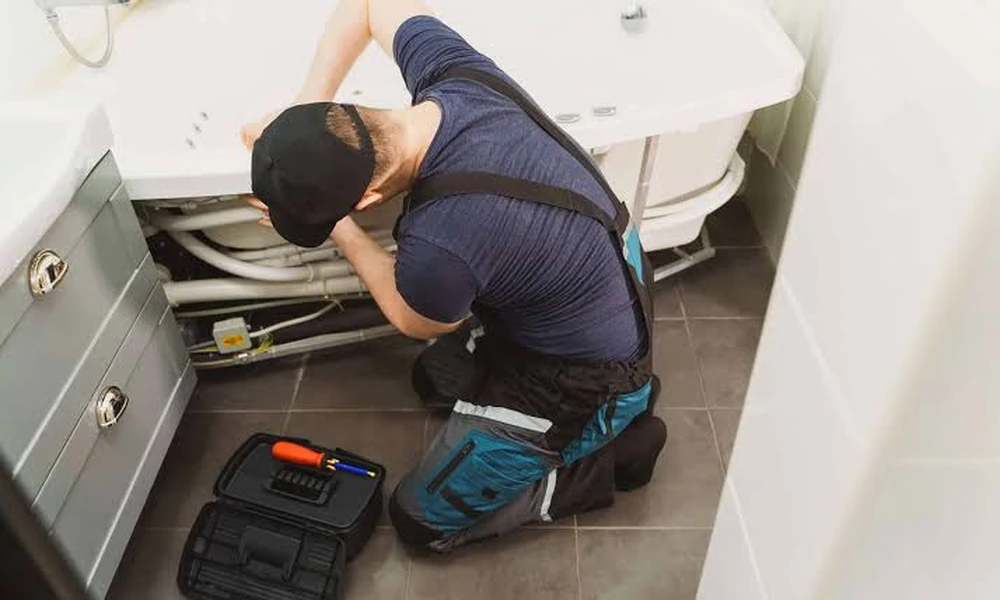

A dripping faucet may seem like a minor inconvenience, but it can sometimes indicate a larger plumbing problem developing inside a home. Plumbing systems experience constant pressure, temperature changes, and daily wear that gradually affect their performance. While some issues are easy to identify, others remain hidden until significant damage occurs. Understanding when professional plumbing repairs are necessary can help homeowners avoid unnecessary expenses, protect their property, and maintain a reliable water supply.
Small Plumbing Problems Can Indicate Bigger Issues
Many plumbing problems begin with symptoms that homeowners overlook. A faucet that continues dripping after being turned off may have a worn washer, damaged cartridge, or deteriorating internal components. Although replacing these parts can sometimes resolve the issue, persistent dripping may require further investigation.
Similarly, slow drains, unusual pipe noises, and inconsistent water pressure can indicate developing problems within the plumbing system. These symptoms should not automatically be considered emergencies, but they deserve attention when they occur repeatedly.
Homeowners who consult Houston Plumbing Repair Experts can benefit from professional assessments that identify the underlying causes of recurring plumbing issues. Accurate diagnosis helps determine whether a simple component replacement or a more extensive repair is necessary.
The Difference Between Minor and Major Repairs
Not every plumbing problem requires extensive professional intervention. Replacing a showerhead, cleaning an accessible drain stopper, or tightening a loose fixture may be manageable for homeowners with basic maintenance knowledge.
However, problems involving concealed pipes, pressurized water lines, or sewer connections require greater caution. Incorrect repairs can create additional leaks, damage surrounding materials, or compromise the plumbing system.
For example, applying temporary sealant to a leaking pipe may reduce visible dripping without addressing corrosion or structural deterioration. A professional plumber can evaluate the pipe’s condition and recommend an appropriate repair or replacement.
Recognizing these differences allows homeowners to make informed decisions rather than attempting repairs that exceed their experience.
Hidden Pipe Damage and Its Warning Signs
Some of the most expensive plumbing problems develop behind walls, beneath flooring, or inside underground water lines. Because these areas are difficult to inspect, homeowners may not immediately recognize that a leak exists.
Discolored walls, peeling paint, damp flooring, and unexplained increases in water bills can indicate concealed plumbing damage. A persistent musty smell may also suggest moisture accumulation, although other causes should be considered.
Professional plumbers use specialized equipment and diagnostic techniques to locate hidden leaks without unnecessarily removing large sections of building materials.
Early detection is particularly important because prolonged moisture exposure can damage drywall, wooden structures, insulation, and flooring. Addressing the source of moisture promptly helps prevent additional deterioration.
Water Pressure Problems Deserve Professional Attention
Water pressure directly affects the performance of faucets, showers, washing machines, and other household fixtures. Sudden changes in pressure may indicate a plumbing problem that requires investigation.
Low water pressure can result from mineral accumulation, partially closed valves, leaking pipes, or issues with the municipal supply. Excessively high pressure, meanwhile, can place unnecessary stress on plumbing connections and fixtures.
When pressure changes affect several fixtures simultaneously, the problem may involve a shared supply line rather than an individual faucet.
The problem may be found with the aid of a professional examination, which can also establish if component replacement, cleaning, or changes would restore optimal performance.
When Plumbing Repairs Become Urgent
Certain plumbing situations require immediate attention because delays can cause substantial property damage or create sanitation concerns.
Burst pipes, overflowing toilets, sewage backups, and uncontrolled water leaks are examples of situations where professional assistance should be prioritized. Homeowners should shut off the appropriate water supply when safe and avoid using affected fixtures until the problem is assessed.
Electrical hazards also require caution. Water near outlets, appliances, or electrical panels should never be approached without appropriate safety precautions.
Quick action can limit damage, but effective repairs must also address the conditions responsible for the failure.
Professional Repairs Support Long-Term Plumbing Reliability
Professional plumbing services involve more than correcting visible problems. Experienced technicians can assess pipe materials, connection integrity, fixture conditions, and signs of deterioration throughout affected areas.
Proper repairs help maintain consistent water flow and reduce the likelihood of recurring leaks. They can also identify components approaching the end of their useful service life.
Homeowners should consider maintenance recommendations based on the age, condition, and performance of their plumbing systems rather than replacing functional components unnecessarily.
Conclusion
Plumbing problems can range from inconvenient dripping faucets to serious pipe failures that threaten a home’s structural integrity. Knowing when to seek professional assistance is essential for preventing avoidable damage and maintaining dependable plumbing performance. By recognizing warning signs, responding promptly to significant leaks, and choosing appropriate repair solutions, homeowners can protect their property while extending the useful life of their plumbing systems.
Dripping Faucets to Damaged Pipes: Knowing When Professional Repairs Matter
